Night sky in October 2026
In October 2026 Mercury, Venus, Saturn and Neptune are in the evening sky, Mars, Jupiter and Uranus in the morning, the Orionids peak around 21 October and the Moon is full on 26 October.
Times in UTC.
Moon phases
- Last QuarterSat 3 Oct · 13:25
- New MoonSat 10 Oct · 15:50
- First QuarterSun 18 Oct · 16:13
- Full MoonMon 26 Oct · 04:12
The darkest evenings for galaxies and nebulae are in the week around New Moon. Moon atlas →
Planets this month
| Planet | Where and when | Constellation | Brightness |
|---|---|---|---|
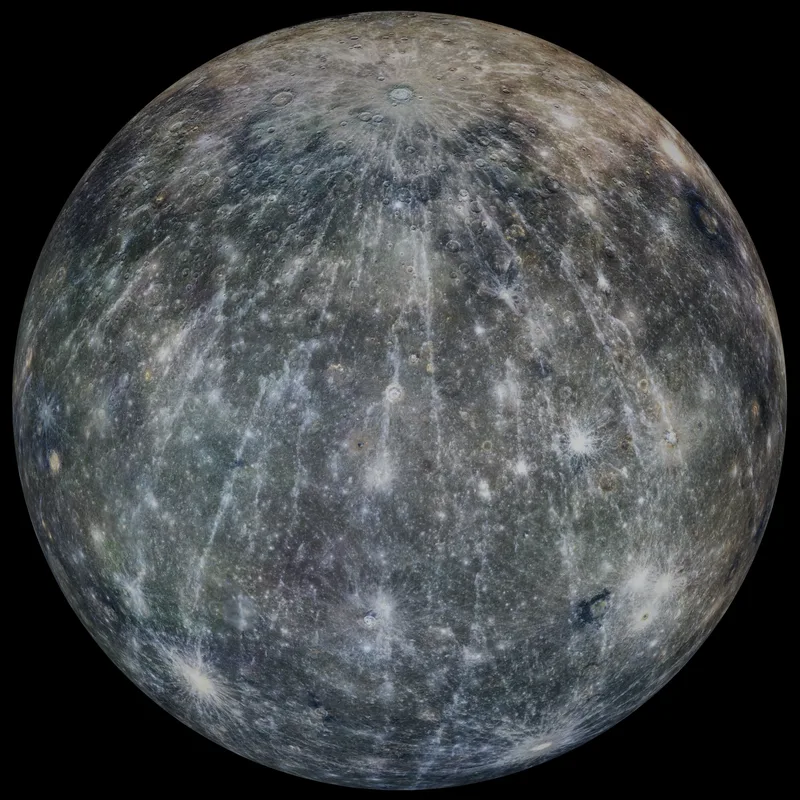 Mercury | Evening sky after sunset | Libra | mag 0.0 |
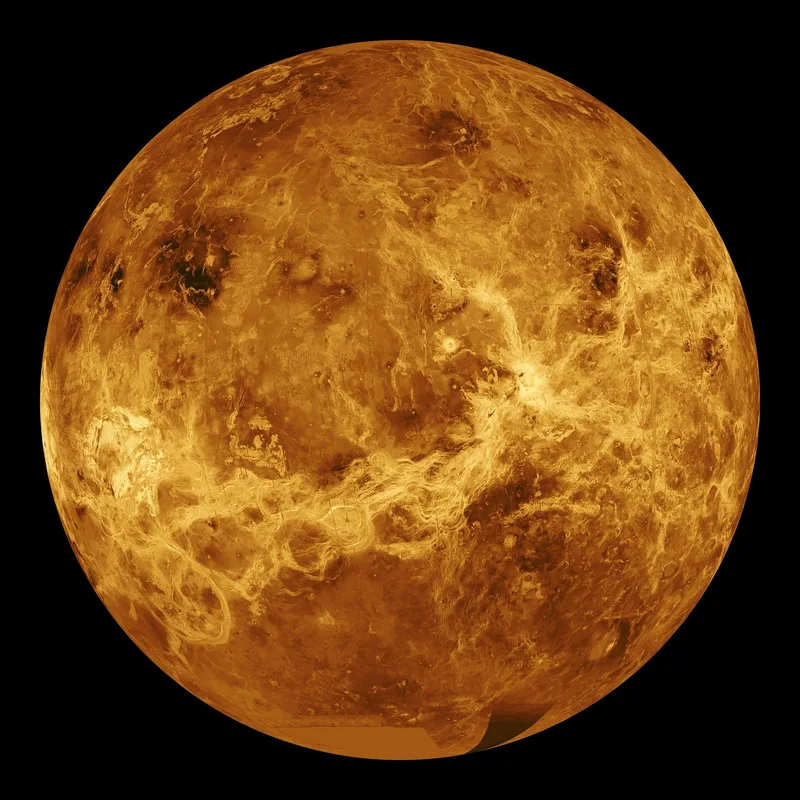 Venus | Evening sky after sunset | Virgo | mag -4.3 |
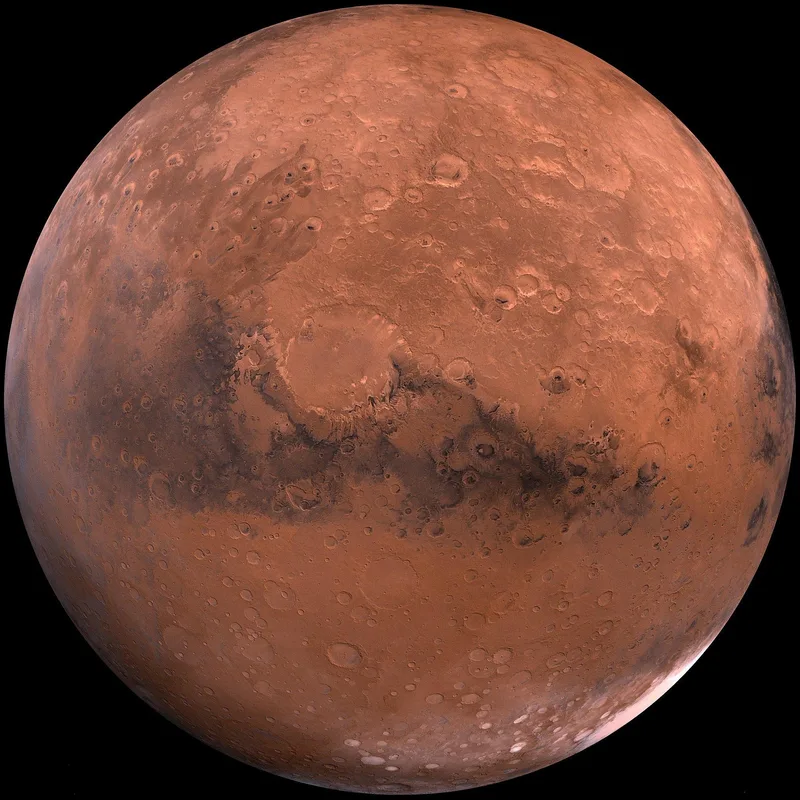 Mars | Morning sky before sunrise | Cancer | mag 1.0 |
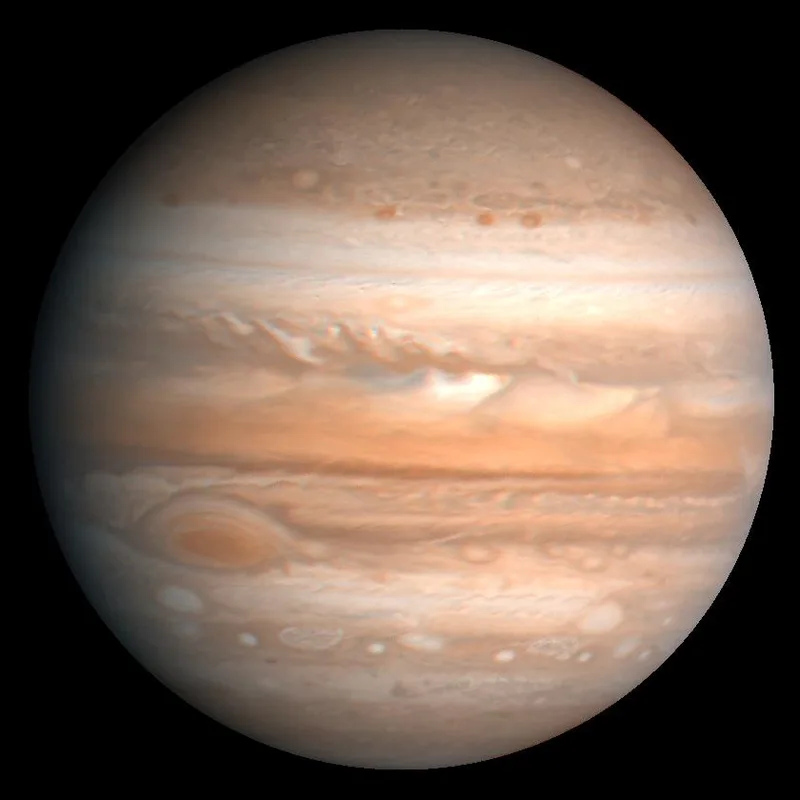 Jupiter | Morning sky before sunrise | Leo | mag -1.9 |
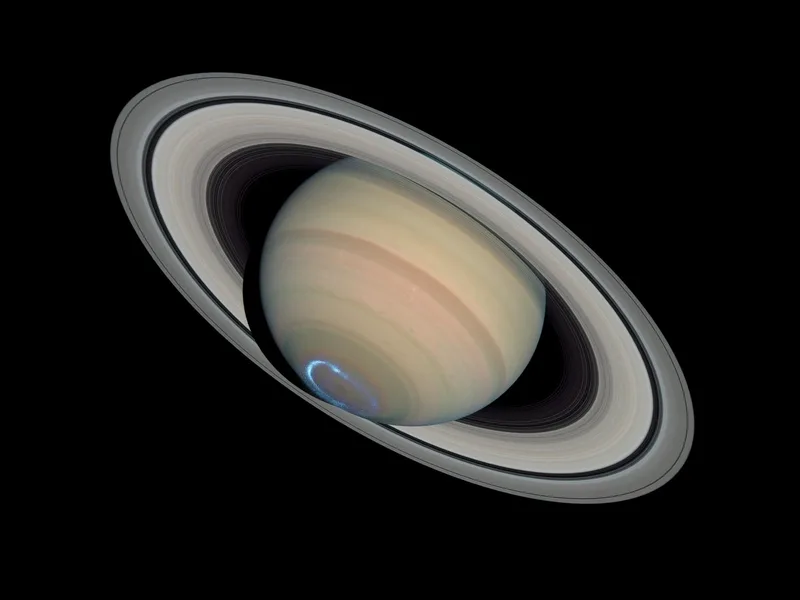 Saturn | Visible all night, highest around midnight | Cetus | mag 0.3 |
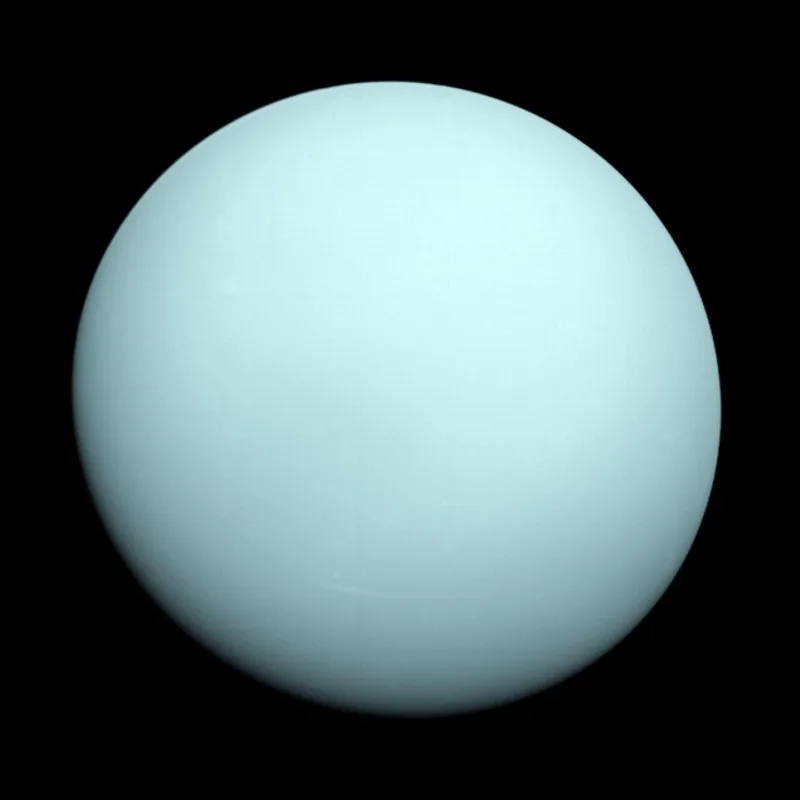 Uranus | Rises before midnight, best before dawn | Taurus | mag 5.6 |
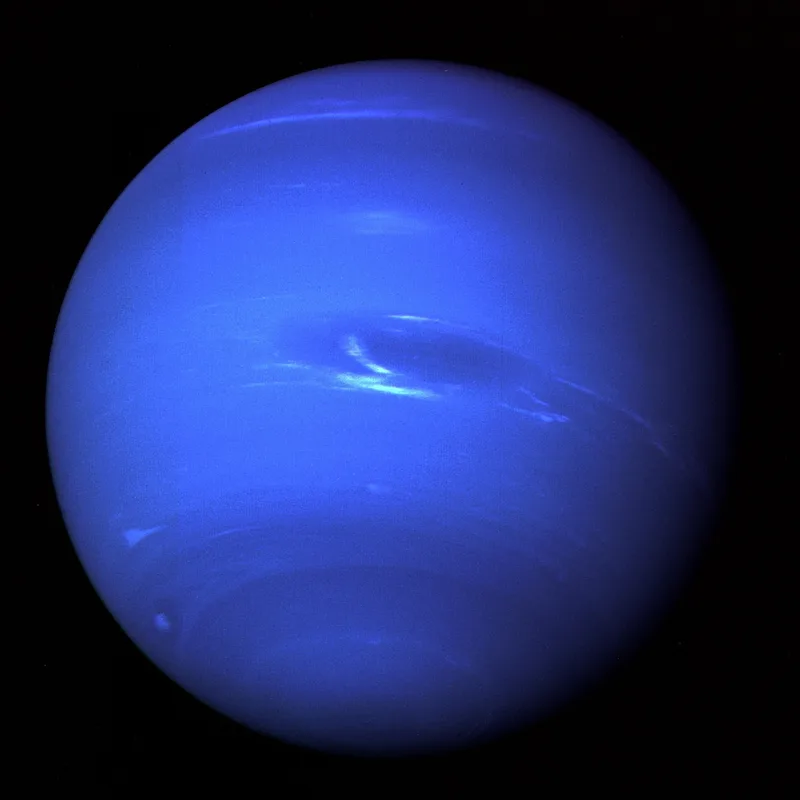 Neptune | Visible all night, highest around midnight | Pisces | mag 7.8 |
Highlights
- Draconids meteor shower peak
Up to about 10 meteors an hour under a dark sky, best in the evening. The Moon is 8% lit.
- Orionids meteor shower peak
Up to about 20 meteors an hour under a dark sky, best after midnight. The Moon is 72% lit, which hides the fainter meteors.
- Saturn at opposition
Closest and brightest for the year; up all night, highest around midnight.
- Moon and Mars close together
1.1° apart, a nice sight in binoculars.
- Moon and Jupiter very close together
0.2° apart, a nice sight in binoculars.
- Moon and Venus close together
2.8° apart.
- Mercury at greatest evening elongation
25° from the Sun, best seen in the western sky after sunset.
- Moon and Mercury close together
2.0° apart.
Close pairings are measured from the centre of the Earth; whether you can see one depends on your location. The forecast shows the events visible from your place.
Deep-sky objects well placed in the evening
High in the sky around 22:00 local time in mid-October.
From the Northern Hemisphere
 M31 · Andromeda GalaxySpiral Galaxy in Andromeda
 M52 · NGC 7654Open Cluster in Cassiopeia
 M33 · Triangulum GalaxySpiral Galaxy in Triangulum
 C22 · Copeland's Blue SnowballPlanetary Nebula in Andromeda
 C28 · NGC 752Open Cluster in Andromeda
 C13 · Owl ClusterOpen Cluster in Cassiopeia
 M39 · NGC 7092Open Cluster in Cygnus
 C1 · Polarissima ClusterOpen Cluster in Cepheus


