Reference image
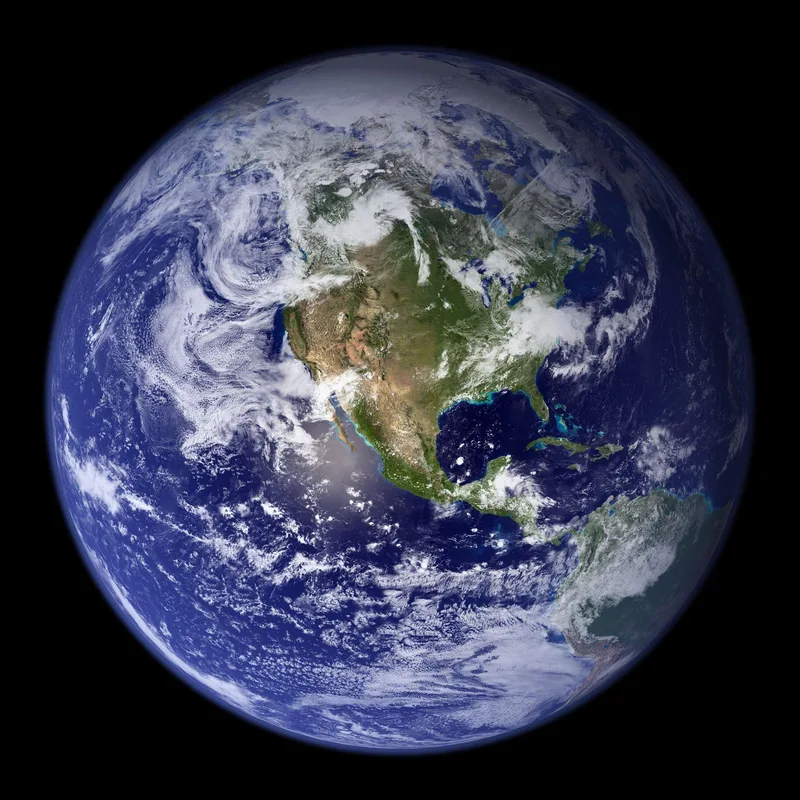
Object guide
Earth is the third planet and the only known world that supports life. Roughly 71% of its surface is covered with water. Its atmosphere, magnetic field and active geology create a stable environment for diverse ecosystems. Earth is approximately 12,742 km across.
How to observe Earth
Earth is best observed near opposition or greatest elongation as appropriate; steady seeing and repeated short observations reveal more than excessive magnification.
Scientific context
Useful scale comparisons are 1 Earth diameters, 1 g surface gravity, 1 Earth years per orbit. These values are rounded from the catalogue measurements shown on this page.
- Radius
- 6,371 km
- Diameter
- 12,742 km
- Mass
- 5.972E+24 kg
- Mean density
- 5.513 g/cm³
- Surface gravity
- 9.807 m/s² (1 g)
- Mean temperature
- 15°C
- Orbital period
- 365.25 days (1 years)
- Semi-major axis
- 1 AU
- Mean sunlight travel time
- 8.32 minutes
1 Earth diameters1 g surface gravity1 Earth years per orbit
Source: NASA Science (checked 2026-08-09). Values are rounded catalogue measurements.
24-hour altitude profile
90°
60°
30°
0°
-10°
10:25
14:25
18:25
22:25
02:25
06:25
10:25
Moons
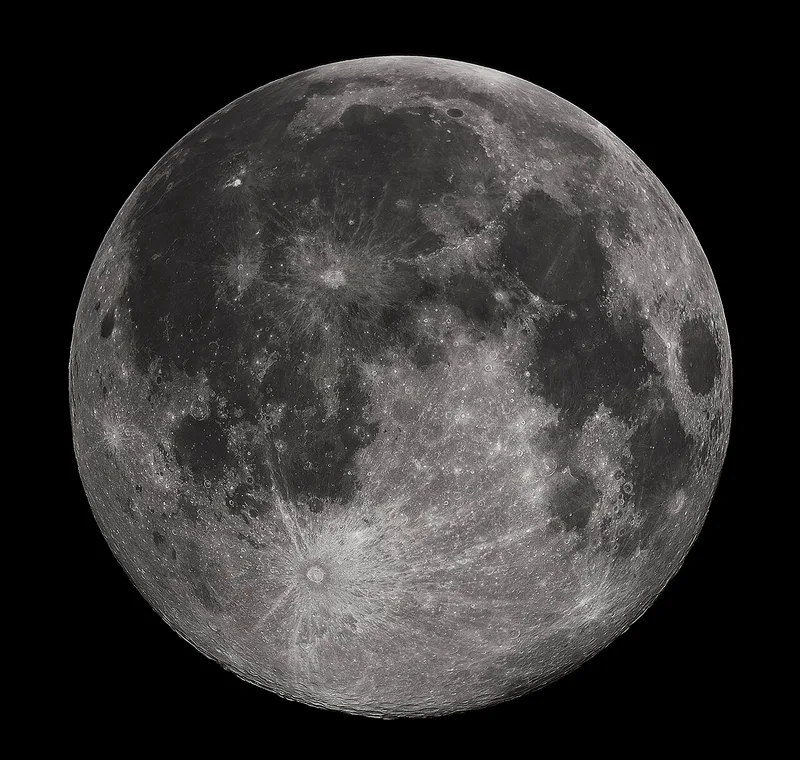
Interactive orbit model
Aug 13, 2026, 22:251×
Calculated positions / separate exploration scales