Reference image
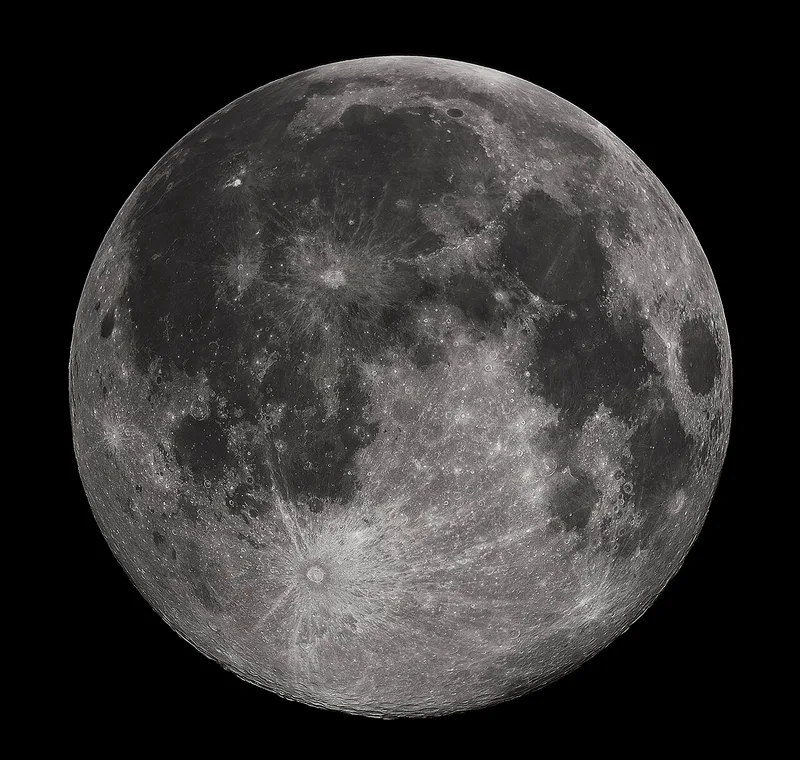
Object guide
Earth's Moon is the fifth-largest moon in the Solar System. Formed ~4.5 billion years ago after a giant impact, it stabilizes Earth's axial tilt and generates tides. Its surface bears maria, highlands and impact craters. Luna is approximately 3,474 km across.
How to observe Luna
The lunar terminator shows the strongest crater relief. A neutral-density or polarizing filter can improve comfort at higher phases.
Scientific context
Useful scale comparisons are 0.273 Earth diameters, 0.165 g surface gravity, 0.075 Earth years per orbit. These values are rounded from the catalogue measurements shown on this page.
- Radius
- 1,737 km
- Diameter
- 3,474 km
- Mass
- 7.35E+22 kg
- Mean density
- 3.348 g/cm³
- Surface gravity
- 1.62 m/s² (0.165 g)
- Orbital period
- 27.3217 days (0.075 years)
- Parent body
- earth
0.273 Earth diameters0.165 g surface gravity0.075 Earth years per orbit
Source: NASA Science (checked 2026-08-09). Values are rounded catalogue measurements.
Parent Planet
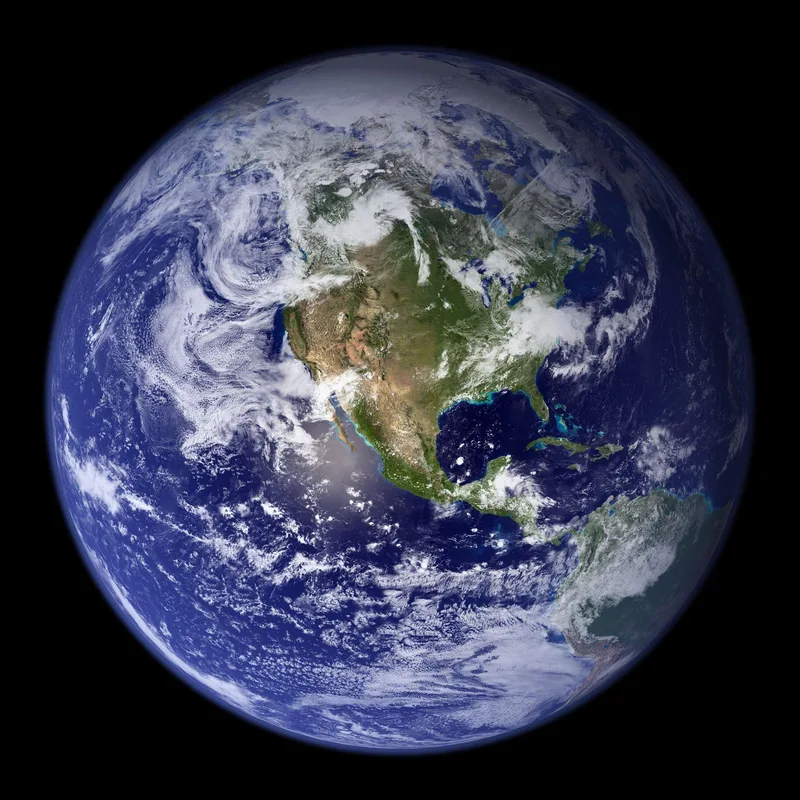 Earth
EarthInteractive orbit model
Aug 13, 2026, 22:251×
Calculated positions / separate exploration scales