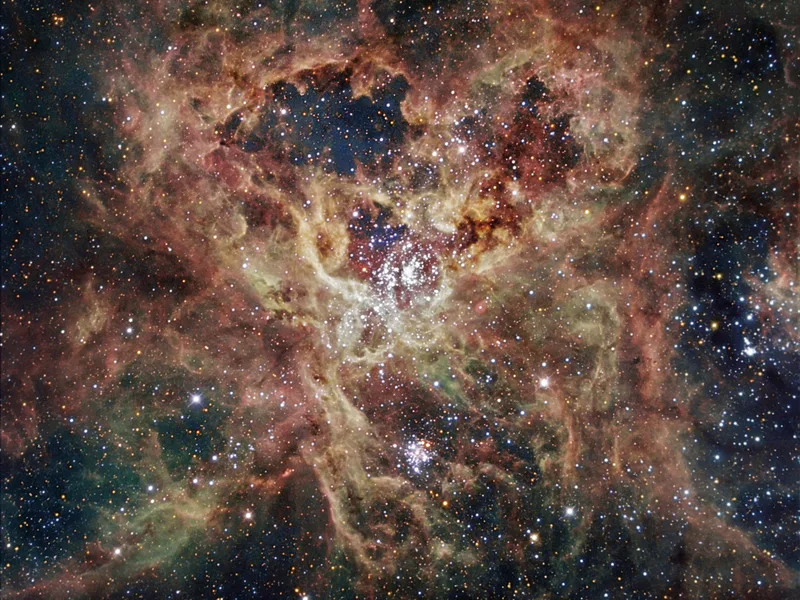
Night sky in January 2027
In January 2027 Jupiter, Saturn, Uranus and Neptune are in the evening sky, Venus and Mars in the morning, the Quadrantids peak around 3 January and the Moon is full on 22 January.
Times in UTC.
Moon phases
- New MoonThu 7 Jan · 20:25
- First QuarterFri 15 Jan · 20:35
- Full MoonFri 22 Jan · 12:17
- Last QuarterFri 29 Jan · 10:56
The darkest evenings for galaxies and nebulae are in the week around New Moon. Moon atlas →
Planets this month
| Planet | Where and when | Constellation | Brightness |
|---|---|---|---|
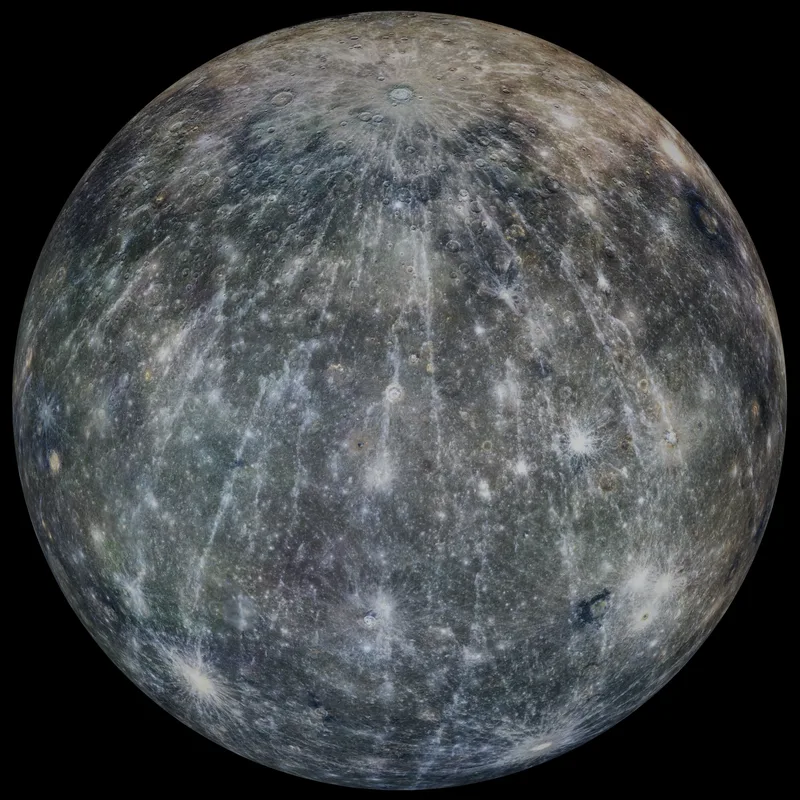 Mercury | Too close to the Sun to see this month | Capricornus | mag -1.0 |
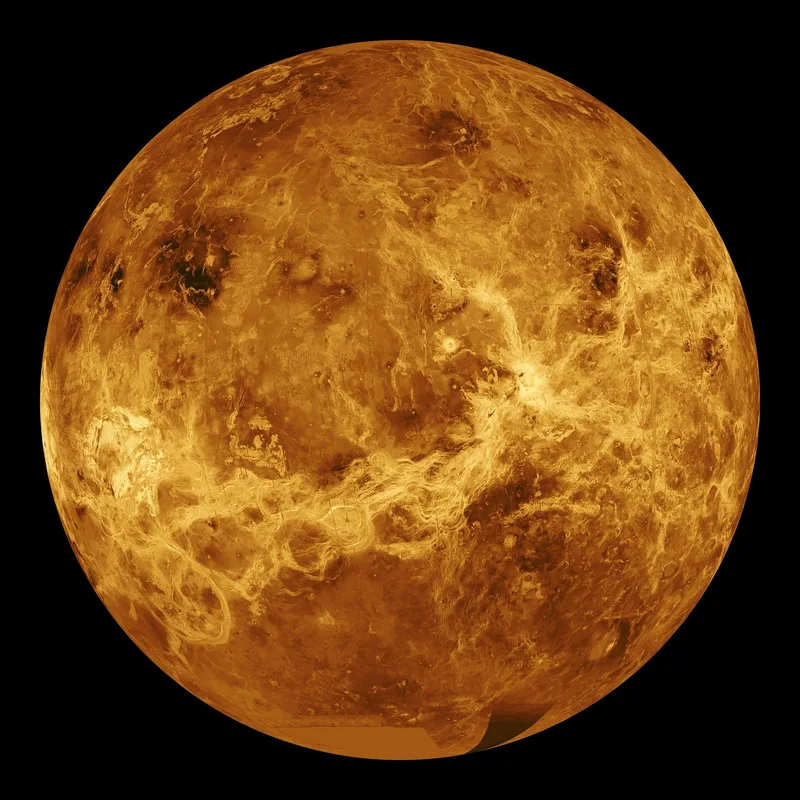 Venus | Morning sky before sunrise | Ophiuchus | mag -4.4 |
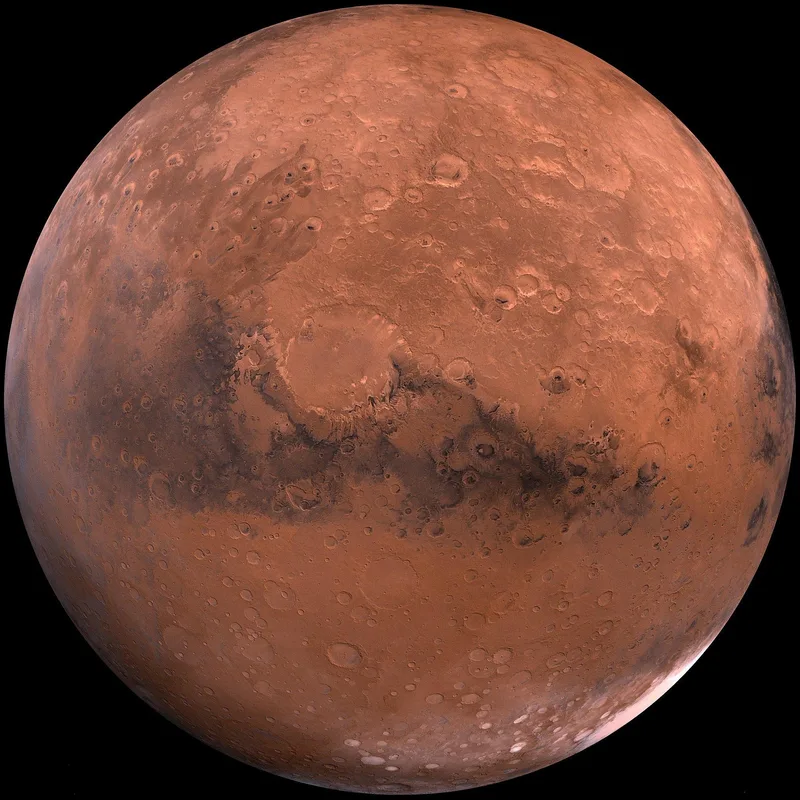 Mars | Rises before midnight, best before dawn | Leo | mag -0.5 |
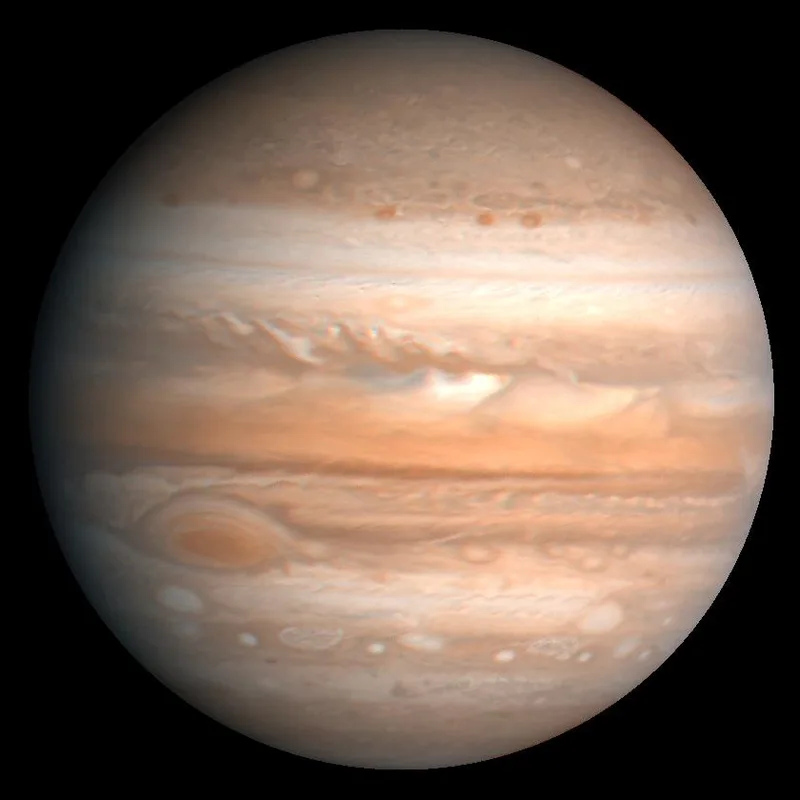 Jupiter | Visible all night, highest around midnight | Leo | mag -2.5 |
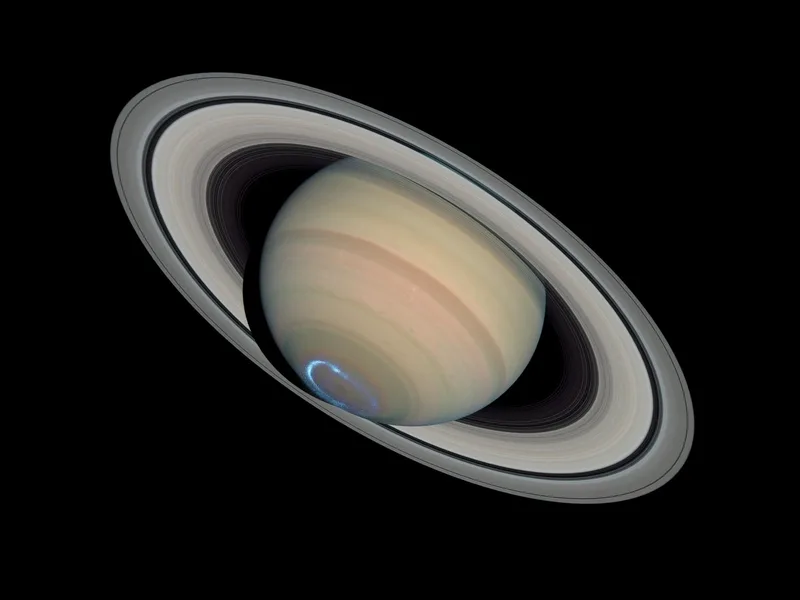 Saturn | Evening sky after sunset | Cetus | mag 0.7 |
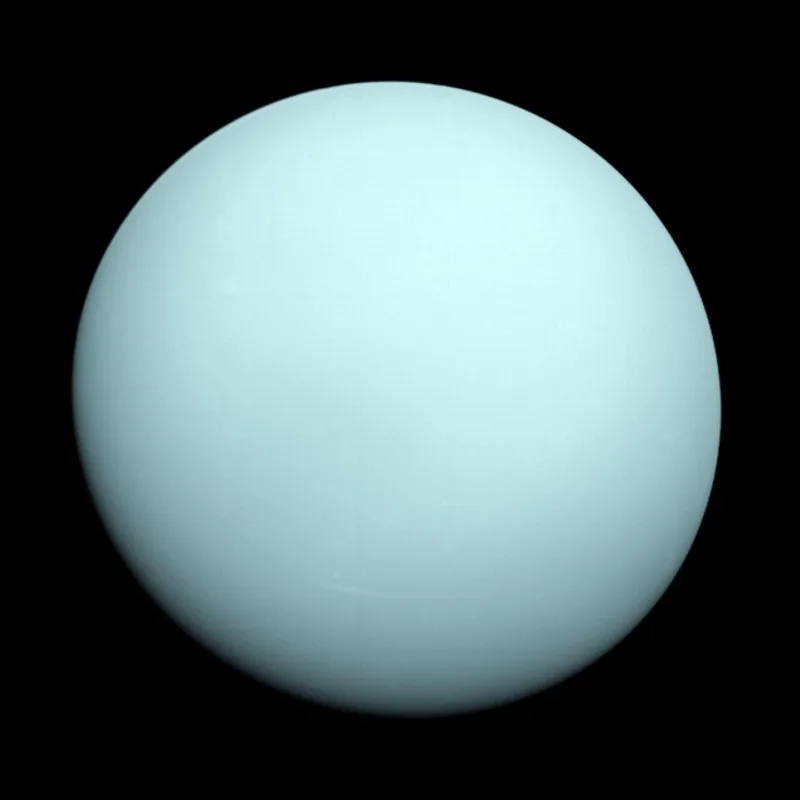 Uranus | Evening sky, up until after midnight | Taurus | mag 5.6 |
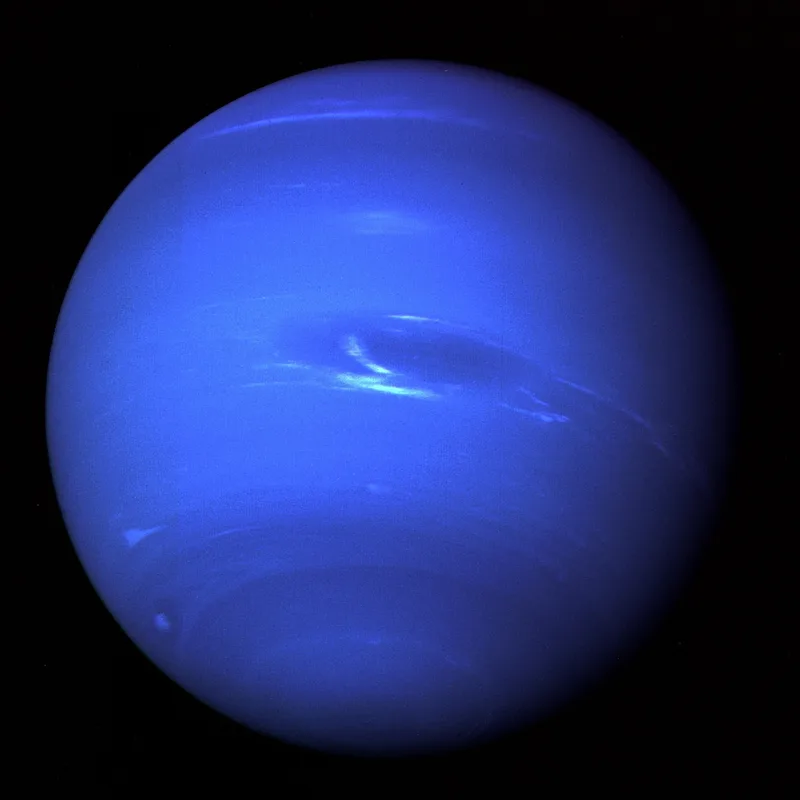 Neptune | Evening sky after sunset | Pisces | mag 7.9 |
Highlights
- Quadrantids meteor shower peak
Up to about 110 meteors an hour under a dark sky, best after midnight. The Moon is 20% lit.
- Venus at greatest morning elongation
47° from the Sun, best seen in the eastern sky before sunrise.
- Moon and Mercury very close together
0.5° apart, a nice sight in binoculars.
- Moon and Jupiter close together
1.4° apart, a nice sight in binoculars.
Close pairings are measured from the centre of the Earth; whether you can see one depends on your location. The forecast shows the events visible from your place.
Deep-sky objects well placed in the evening
High in the sky around 22:00 local time in mid-January.
From the Northern Hemisphere
 M42 · Orion NebulaDiffuse Nebula in Orion
 M45 · PleiadesOpen Cluster in Taurus
 M35 · NGC 2168Open Cluster in Gemini
 C41 · HyadesOpen Cluster in Taurus
 M36 · NGC 1960Open Cluster in Auriga
 C50 · NGC 2244Open Cluster in Monoceros
 M1 · Crab NebulaSupernova Remnant in Taurus
 M37 · NGC 2099Open Cluster in Auriga