Impact crater

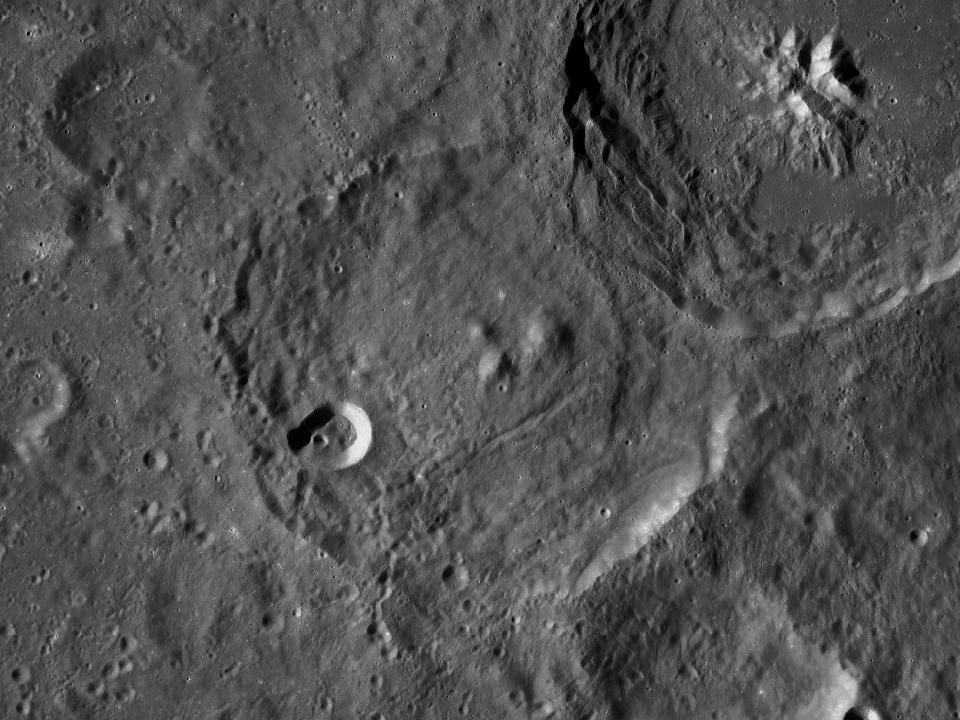
Catharina

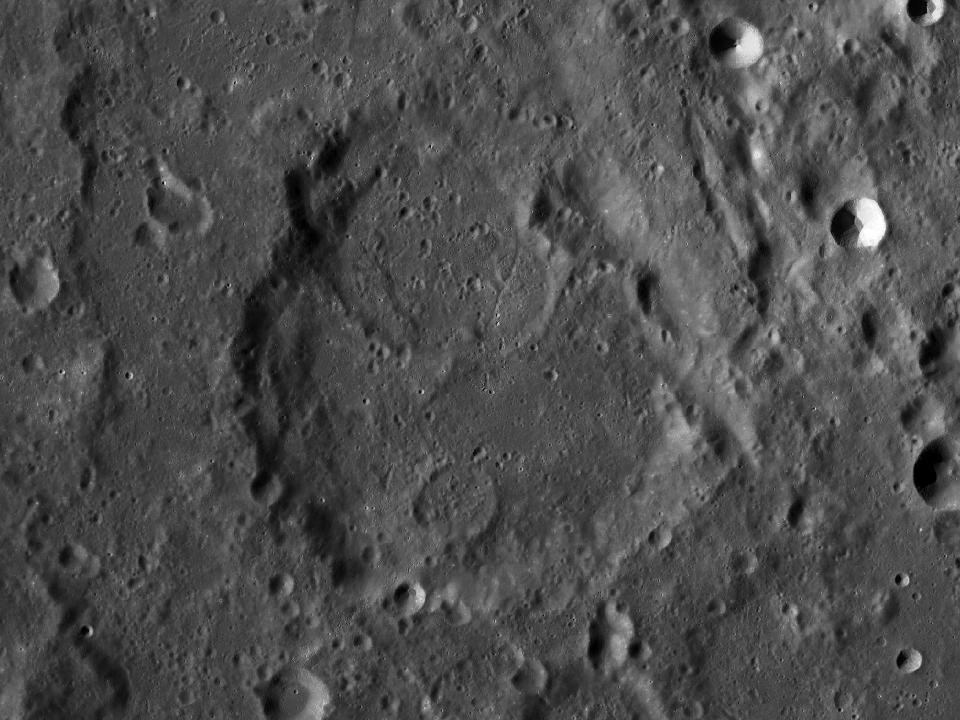
The southern member of a conspicuous three-crater group west of Mare Nectaris. Its irregular interior offers a contrast to nearby Theophilus.

Open in Moon atlas ↗
Catharina and surrounding lunar terrain in the LROC Wide Angle Camera mosaic
Catharina · North up, east right. Open image ↗
NASA / GSFC / Arizona State University · LROC WAC mosaic via USGS. Regional map crop; lighting is fixed and does not follow the selected date.
Show location on the Moon
1.0×
EARTH-FACING HEMISPHERE

Preparing the lunar surface…

NSWESelect a formation · zoom to explore

Lunar north up, with geocentric libration. Full atlas mode shows the entire facing surface; switch to Selected phase for today’s illumination. Choose a different date in the atlas.

How to observe Catharina

Observe the whole chain at low power before inspecting the smaller craters interrupting the floor and rim.

Finding the region

Look at 17.98° S, 23.55° E on the lunar disc. The chart marker identifies the catalogue centre. Start with a wide field and use the nearby formations below as landmarks.

Equipment & conditions

Start at low magnification to identify the rim. Move to a moderate power when the air is steady; low sunlight usually makes walls and floor relief easier to distinguish. A bright ray system can be more conspicuous near full Moon.

Lighting

For surface relief, try a time when the Sun is low over this region. To compare surface brightness and any bright rays, return under higher illumination. The atlas calculates the solar elevation at the formation’s centre for any selected date.

View Catharina in the atlas

IAU / USGS Gazetteer

Official feature record

View original record ↗
Approved name
Catharina
Feature classification
Crater, craters
Catalogue diameter
98.77 km
Centre latitude
17.98° S
Centre longitude
23.55° E
Name origin (Gazetteer)
St. Catherine of Alexandria; Greek theologian, philosopher (unkn-c. 307).

Coordinates are selenographic, with east-positive longitude. Dimensions are the Gazetteer’s catalogue values; for extended formations they do not represent a circular crater diameter. Data snapshot: 2026-09-16. Observing guidance above is separate from the official record.

Nearby formations

The four closest catalogue entries, measured from their centres.

LROC photograph of CyrillusImpact crater

Cyrillus

A worn crater beside Mare Nectaris, partly overlapped by Theophilus. The adjoining rims illustrate how later impacts reshape older terrain.

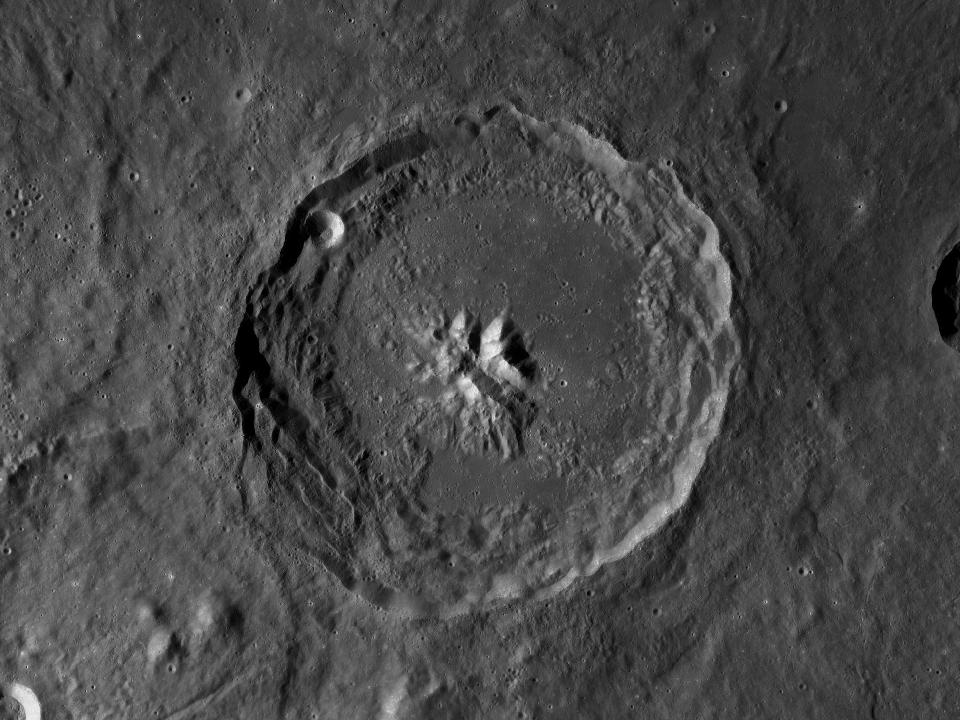
LROC photograph of TheophilusImpact crater

Theophilus

The northern member of the Theophilus–Cyrillus–Catharina group beside Mare Nectaris. Its prominent central mountains contrast with its older-looking neighbours.

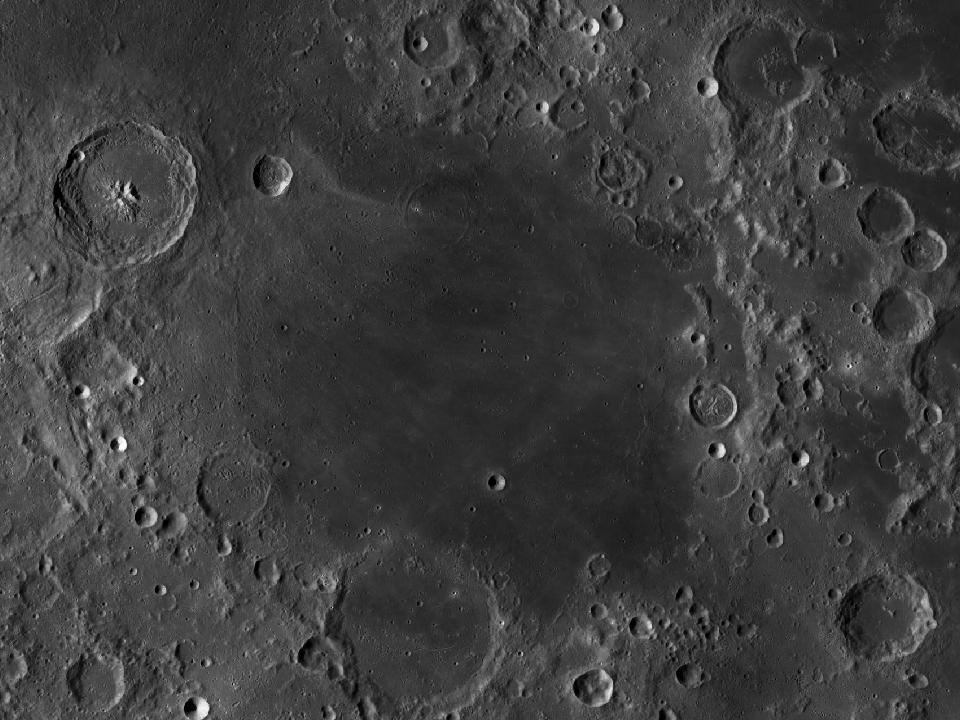
LROC photograph of Mare NectarisSea / bay

Mare Nectaris

The Sea of Nectar is a compact dark plain southeast of the main central maria. The adjoining highlands contain a striking chain of large craters.

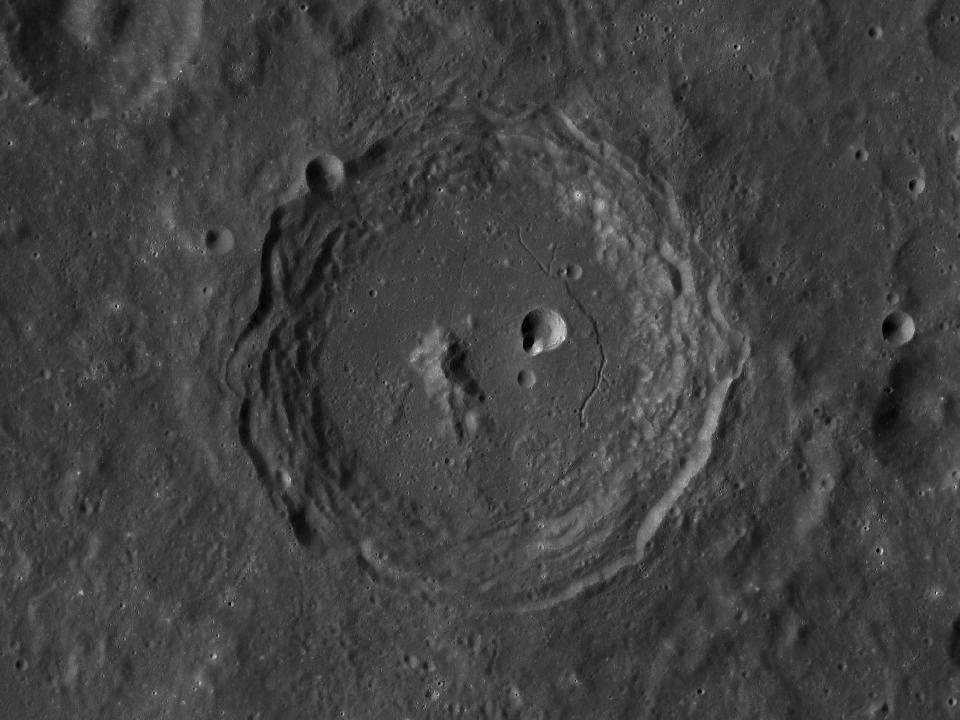
LROC photograph of ArzachelImpact crater

Arzachel

The southern crater of a recognisable central chain with Ptolemaeus and Alphonsus. It has a central peak and clearly defined inner walls.