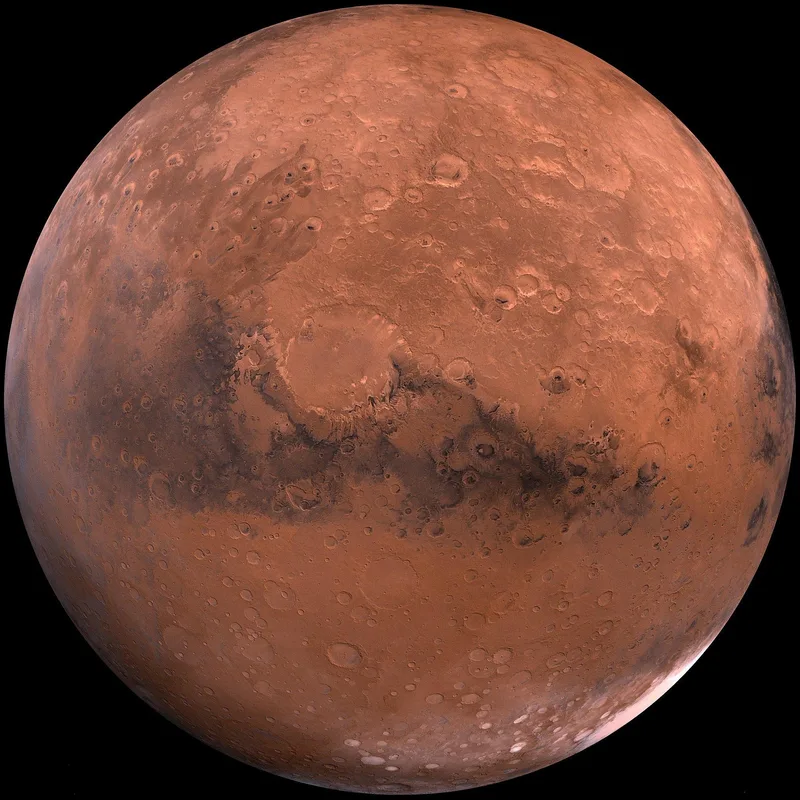
Mars, the Red Planet, is a cold desert world about half Earth's diameter, colored by iron-oxide dust. It orbits at 1.52 AU and takes 687 days to circle the Sun, while its 24.6-hour day and 25.19° tilt give it a day and seasons much like ours. Dry river channels and old lakebeds show that liquid water once flowed on the surface, and it hosts both the largest volcano and the deepest canyon in the Solar System.
How to observe Mars
Mars is most rewarding in the weeks around opposition, but its apparent size varies greatly between oppositions. Wait until it is high, let the telescope cool, and look for the bright polar region and broad dark markings during steady moments. Dust can obscure surface detail.
Scientific context
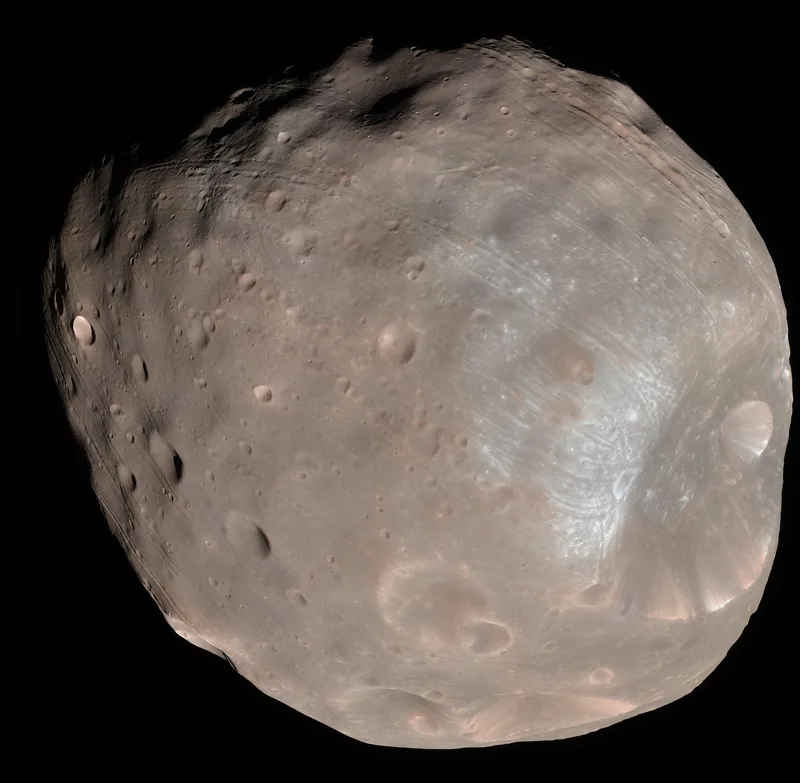
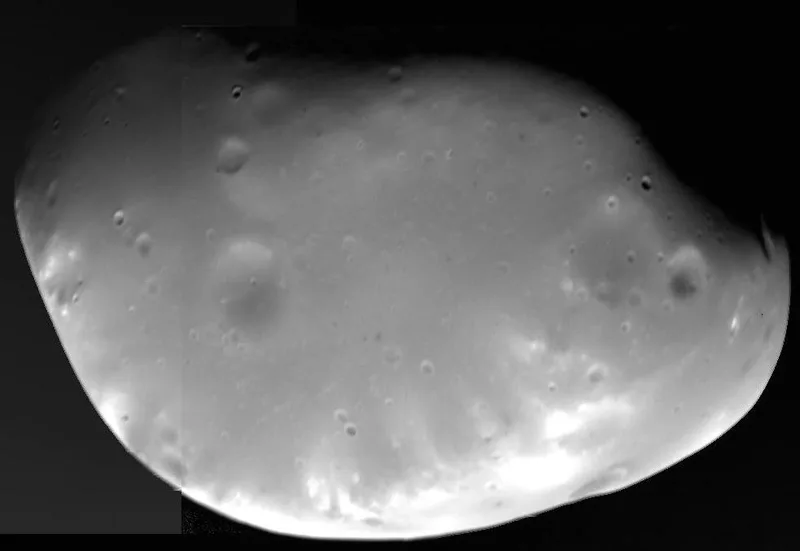
The record holders are Olympus Mons, a vast shield volcano, and the Valles Marineris canyon system. Rovers including Curiosity and Perseverance study ancient lake sediments, and Perseverance has been collecting rock samples for a possible return to Earth. The origin of its two small moons, Phobos and Deimos, is still debated.
- Radius
- 3,389 km
- Diameter
- 6,778 km
- Mass
- 6.417E+23 kg
- Mean density
- 3.936 g/cm³
- Surface gravity
- 3.71 m/s² (0.378 g)
- Mean temperature
- -63°C
- Orbital period
- 687 days (1.881 years)
- Semi-major axis
- 1.52 AU
- Mean sunlight travel time
- 12.64 minutes
At your observing time
21 Nov 2026, 10:34 · now
- Apparent magnitude
- 0.6
- Disc diameter
- 7.4 arcsec
- Constellation
- Leo
- Next opposition
- 19 Feb 2027, 15:44 UTC