Impact crater

Aristoteles

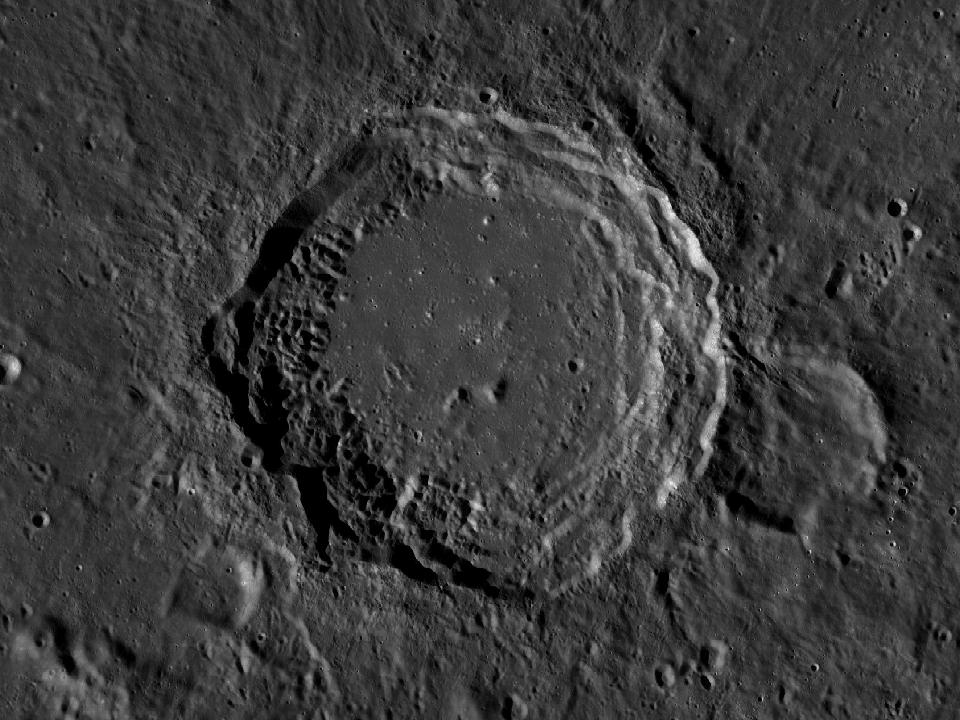
A substantial northern crater near the eastern end of Mare Frigoris. Together with Eudoxus it forms an easily recognisable pair.

Open in Moon atlas ↗
Planner 0
Local horizon & screen options

Buildings & trees

Save your local skyline. North is 0°, east 90°, south 180°, west 270°. The height is degrees above the flat horizon.

Choose an observing location to save its horizon.

Screen

Dim the screen as well as using red mode. Your browser may release the screen lock when the app is hidden or battery is low.

Screen wake lock is unavailable in this browser.

Planner (0) →
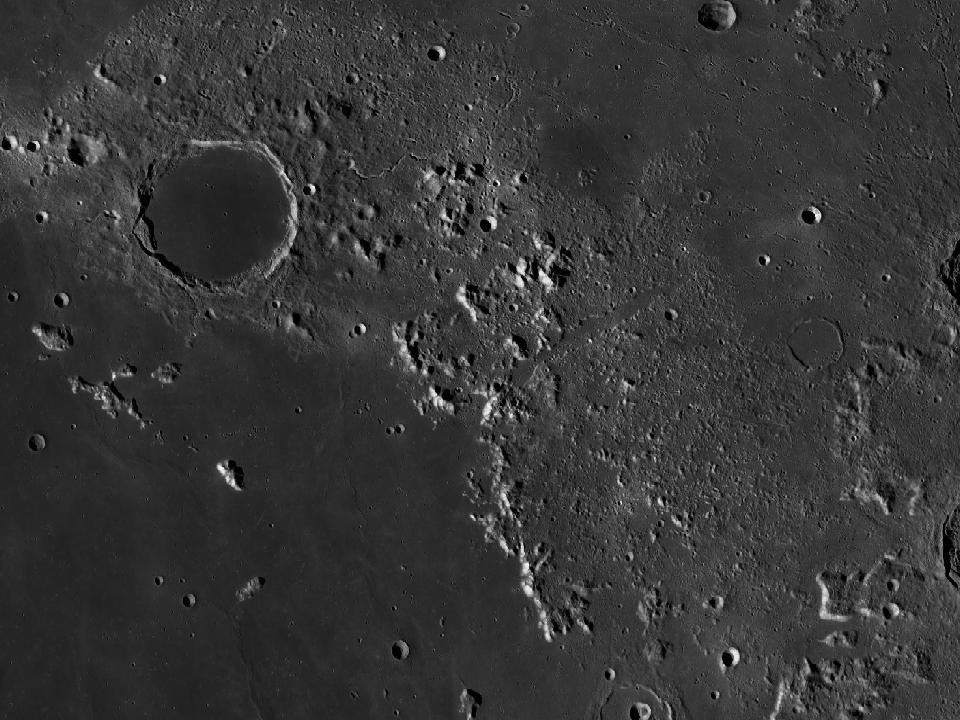
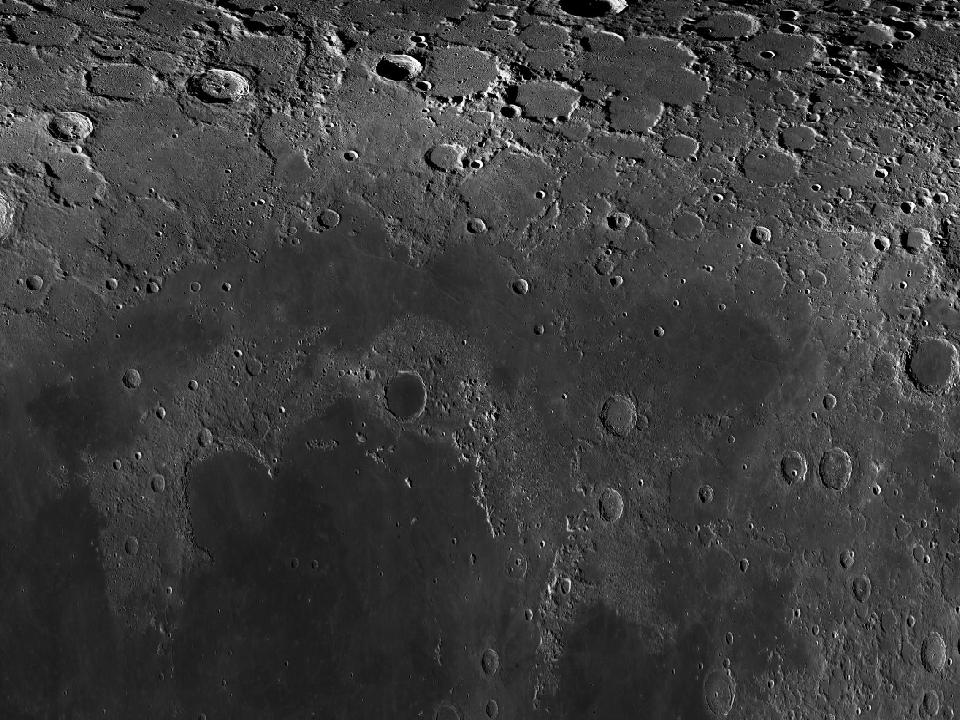
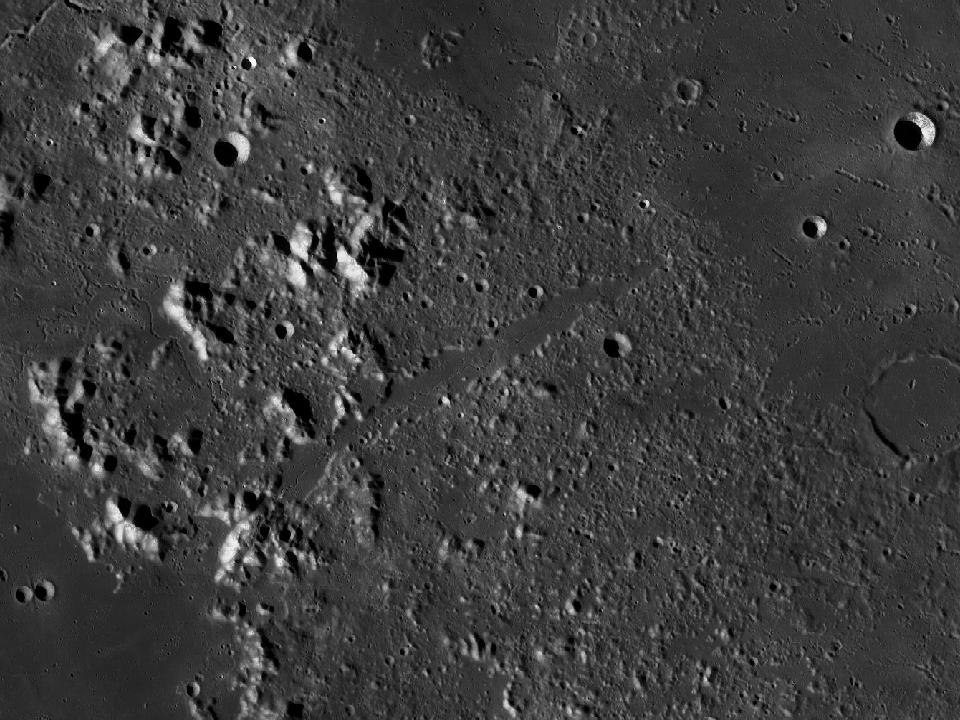
Aristoteles and surrounding lunar terrain in the LROC Wide Angle Camera mosaic
Aristoteles · North up, east right. Open image ↗
NASA / GSFC / Arizona State University · LROC WAC mosaic via USGS. Regional map crop; lighting is fixed and does not follow the selected date.
Show location on the Moon
1.0×
EARTH-FACING HEMISPHERE

Preparing the lunar surface…

NSWESelect a formation · zoom to explore

North up · Change date in atlas ↗

How to observe Aristoteles

Compare the two craters: their outlines, interiors and shadows differ even when the illumination is similar.

Finding the region

Look at 50.24° N, 17.32° E on the lunar disc. The chart marker identifies the catalogue centre. Start with a wide field and use the nearby formations below as landmarks.

Equipment & conditions

Start at low magnification to identify the rim. Move to a moderate power when the air is steady; low sunlight usually makes walls and floor relief easier to distinguish. A bright ray system can be more conspicuous near full Moon.

Lighting

For surface relief, try a time when the Sun is low over this region. To compare surface brightness and any bright rays, return under higher illumination. The atlas calculates the solar elevation at the formation’s centre for any selected date.

View Aristoteles in the atlas →
IAU / USGS Gazetteer

Official feature record

View original record ↗
Approved name
Aristoteles
Feature classification
Crater, craters
Catalogue diameter
87.57 km
Centre latitude
50.24° N
Centre longitude
17.32° E
Name origin (Gazetteer)
Greek astronomer, philosopher (383-322 B.C.).

Selenographic coordinates · East-positive longitude · Catalogue extent · Updated 2026-09-16

Nearby formations

LROC photograph of EudoxusImpact crater

Eudoxus

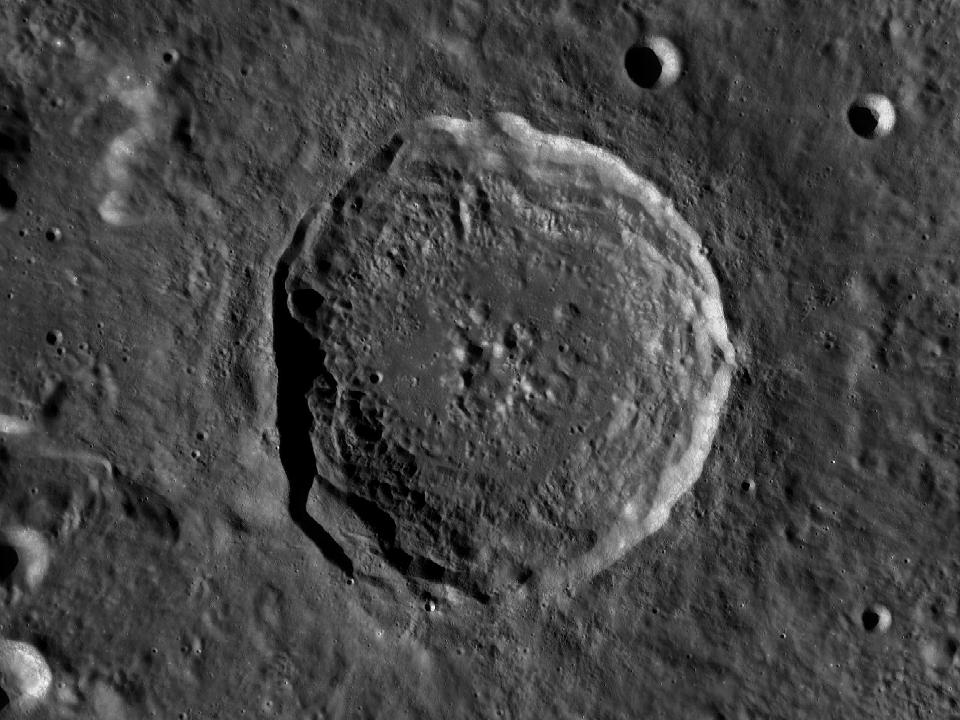
A northern highland crater immediately south of Aristoteles. Its terraced walls enclose an uneven floor.

LROC photograph of Vallis AlpesValley / rille / scarp

Vallis Alpes

The Alpine Valley cuts through Montes Alpes near the northeastern edge of Mare Imbrium. The main valley is much easier to detect than the narrow channel within it.

LROC photograph of Montes AlpesMountain range

Montes Alpes

A mountainous region along the northeastern border of Mare Imbrium. Vallis Alpes cuts a distinctive path through this terrain.

LROC photograph of Mare FrigorisSea / bay

Mare Frigoris

The Sea of Cold is an elongated dark belt across the northern near side. It links several useful northern landmarks.

1,446.4 kmRead guide ↗